


Filter
- Price
 List Of Essential Oils
Essential Oils
-
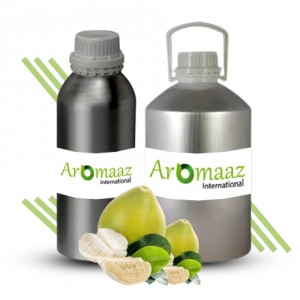 White grapefruit is an orange-like yellow-peeled citrus fruit with white internal flesh. Despite its white inner part, it belongs to the same species- Citrus paradisi- as the Pink Grapefruit. White grapefruit is aboriginal to the West Indies, where settlers formed this variety by cross-pollination of South Asia's orange types of the 17th century. Learn More
 -
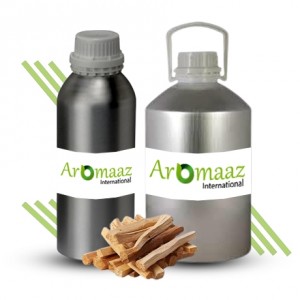 Botanically called Bulnesia Sarmiento, guaiac, or Palo Santo is an evergreen tree with dense growth and bears small white and blue flowers. The yellow-orange fruit of this tree is comparable to a cherry. This tree's thick, smooth bark covers and shields the scented wood. Wood chips and sawdust are steam distilled by guaiacwood essential oil manufacturers from the heartwood of Bulnesia Sarmiento, which have antioxidant, antibacterial, anti-inflammatory, antimicrobial, and astringent properties. Learn More
 -
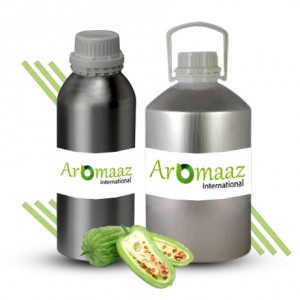 Gurjun Balsam, botanically known as Dipterocarpus Turbinatus, is a deciduous tree belonging to Dipterocarpaceae. A native to India and Southeast Asia, having a height of 30-35 meters. The bark of this tree is dark brown in color. Manufacturers of Gurjun Balsam extract an excellent oil from the gurjun balsam tree, which is a clear, pale yellow-colored liquid with natural woody and savory fragrance. Learn More
 -
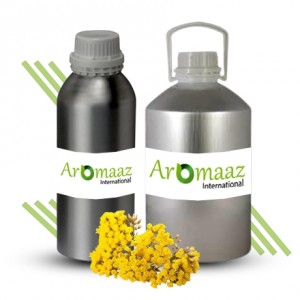 The annual flowering plant of the helichrysum, botanically known as Helichrysum italicum, is a shrub belonging to the Asteraceae family of the plant kingdom. Leaves that are silver-green and scented are often used to extract oil. Helichrysum Essential Oil manufacturers extract versatile Helichrysum Essential Oil, a free-flowing watery fluid that is a pale yellow to red. Learn More
 -
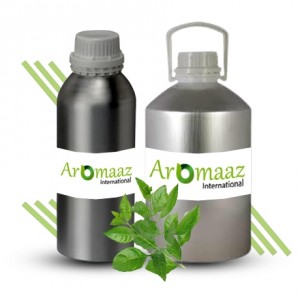 Lawsonia inermis, also known as Hina, the henna tree, is a flowering plant with a tall shrub or small tree, standing 6 to 25 ft tall. It is the source of the henna used to dye skin, hair, fingernails, and fabrics, including silk, wool, and leather. Medicinal properties include curing renal lithiasis, jaundice, wound healing, and preventing skin inflammation. Henna Essential Oil manufacturers extract versatile Henna Essential Oil, which possesses excellent anti-fungal, anti-viral and antibacterial properties. Learn More
 -
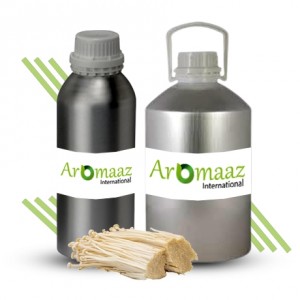 White Cedar, sometimes known as Japanese cypress, is the Hinoki or Chamaecyparis obtusa shrub. It is a slow-growing, tall, sturdy coniferous tree planted in central Japan with a trunk diameter of 100 cm. It's also known as the sacred, divine, or sun tree, and it's regarded as a powerful emblem. Learn More
 -
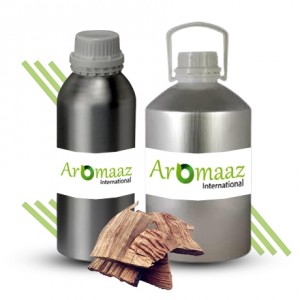 Cinnamomum camphora, commonly known under camphor tree, camphorwood, or camphor laurel, is native to China south, growing up to 20–30 m (66–98 ft) tall. Ho Wood Essential Oil manufacturers extract a medium aromatic consistency of the yellow liquid, having plenty of therapeutic properties that prove beneficial for human use in plenty of ways. Learn More
 -
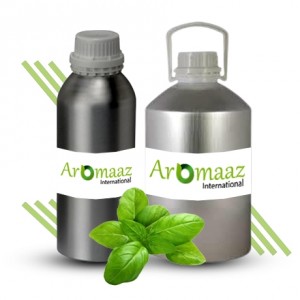 Holy Basil (Ocimum sanctum) is a perennial multi-branched shrub approximately 1 to 2 feet, native to India and other South Asian regions. The plant has acquired a respected place in the Hindu religion, and its leaves are part of worship or religious practices. The leaves and twigs of the distinct holy basil plant are collected and steam distilled from which Holy Basil Essential Oil manufacturers extract a medium aromatic consistency of clear colorless or pale yellow essential oil. Learn More
 -
 The honey myrtle essential oil is highly valued because of its potent antibacterial, antifungal, and antiviral qualities. Due to its ability to encourage clean and healthy-looking skin, it is often utilized in natural skincare products. According to popular belief, honey myrtle oil may lessen the appearance of blemishes, promote a balanced complexion, and treat skin irritations. This oil may be diffused or used in bath products, massage mixtures, or bath salts to revitalize the environment. Learn More
 -
Hops oil's scent is said to encourage emotions of relaxation, lower anxiety, and help one achieve a sense of tranquility, and is well-known for its soothing effects. It is often used to encourage sleep and treat insomnia. The oil may be diffused in the bedroom or added to a warm bath before bed to promote relaxation and sound sleep. Learn More
What are essential oils?
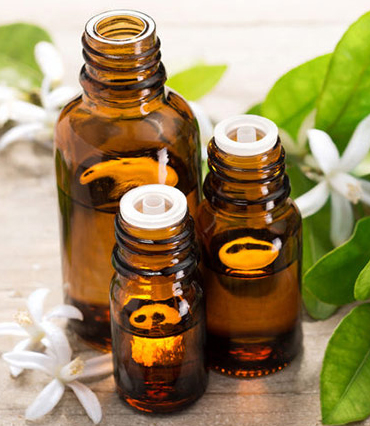
Natural Essential Oils India is a compound that is concentrated in a hydrophobic liquid containing volatile This essential oil is extracted from different parts of the plant. The term essential comes from the term ‘essence’ as this essential oil holds the essence of that particular plant. It also holds the fragrance of that plant. Essential oil holds a much more powerful smell than its plant. They hold a higher level of active ingredients and constituents. We are one of the finest Natural Essential Oil Manufacturers, wholesalers, and Suppliers. Pure Essential oil is also called aethoroleum, a volatile, ethereal oil. These essential oils are helpful in various aromatherapies which help to treat our numerous bodily and health issues. This essential oil is a gift from nature and we seek to gift this to every household.
Different methods of extracting essential oil
There are various essential oil-extracting methods such as:
-
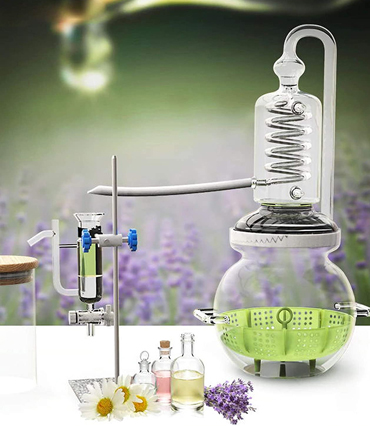
Steam distillation process- It is a separation process which is the purifying the water with other non-volatile and volatile components. In this, the steam from the boiling water carries the volatiles to a condenser. Then it is rested to cool down the liquid and keep the non-volatile remainder in the boiling container.
-
The cold press process- This is another process of extracting oil. In this process it is needed to separate the fibroid parts of seeds, vegetables, fruits, and nuts from plant oil or juice by hydraulic press It is also called the expression method.
-
Solvent extraction- It is a conventional method of extraction. It is mainly used for plant parts that as fragile and delicate like flowers. As they can’t bear such an excessive amount of heat.
-
Destructive distillation- This is the process of heating solid materials to their boiling point in the absence of water. The resulting vapors are then condensed to form a liquid.
-
Hydro distillation- It is a process of extracting essential oils from plant material using water as the solvent. The plant material is placed in distillation equipment with water, and the mixture is heated until the water vaporizes. The vaporized water carries hold the essential oils with it from the plant material, which are then condensed and collected.
-
CO2 extraction- This is a process that uses pressurized carbon dioxide to pull desired compounds from a plant. This liquid CO2 is then passed through the plant material, where it selectively pulls out desired compounds.
Benefits Of Essential Oil
The benefits of certified organic essential oils are as follows:
-
It helps to increase focus - there are numerous organic essential oils that help to increase concentration and focus are eucalyptus and bergamot essential oils.
-
It prevents anxiety- clary sage, rose, and lavender essential oil. These pure essential oils help to treat stress, depression, and anxiety.
-
It treats insomnia issues- people who are suffering from sleeping issues can use these oils lavender, eucalyptus, and vetiver essential oil.
-
It alleviates pain- there are several essential oils to remove pain and cramps here are they wintergreen, lemongrass, and eucalyptus essential oil.
-
It reduces nausea problems- we do get sickness and vomiting issues so here are some essential oils that can cure it fennel, nutmeg, and lemongrass essential oil.
-
It boosts digestion- coriander, star anise, spearmint, and fennel essential oil helps to improve our digestive system.
-
It magnifies blood circulation- cypress, helichrysum, clove, and lavender which improves the flow of blood in the body.
-
It helps to relax your mind and soul- Neroli, and sandalwood which help to soothe not only our mind but also soothe our body.
-
It combats bacteria and viruses- melissa, lemon myrtle essential oil which fights harmful viruses and bacteria from our body.
-
It helps to alleviate inflammation- frankincense, and cedarwood essential oil helps to cure inflammation in our body.
If you are looking for natural essential oils in bulk suppliers and manufacturers, Aromaaz Oils can be your best source of essential oil. Here you will definitely find a wide variety of products.
Uses Of Essential Oils
The uses of essential oils are as given:
-
Natural essential oil India are used in perfume-making factories such as lavender, eucalyptus, and lemon essential oils.
-
Essential oils are used in creating cosmetics such as tea tree, lavender, grapefruit, eucalyptus, and peppermint essential oil.
-
These oils are used in forming soaps such as clary sage, and bergamot essential oil.
-
Essential oils used in making air fresheners such as lemon, basil, orange, rose, and sandalwood essential oil.
-
These pure essential oils also work as food and beverage flavoring agents such as orange, basil, and peppermint essential oil.
-
This essential oil adds fragrance to house cleaning and incense sticks such as bergamot, jasmine, tea tree, and peppermint essential oil.
Precautions For Using Essential Oil
As the best essential oil manufacturer and supplier, we recommend some safety tips for its safe use.
- Essential oils should not be used after 3 years as it gets expire and the components get changed and which may affect your skin and health.
- Before using any essential oil it is said to take your personal doctor’s advice and keep this essential oil away from toddlers.
- It should be used only after diluting it with a carrier oil.
- Essential oils which contain citrus extracts are photosensitive therefore after using such essential oil don’t go in the sun.
- These essential oils are not advisable for people who are suffering from epilepsy as essential oils can cause various side effects.
- This essential oil is not advisable for people who have gone through surgery and should not use this without your personal doctor's advice.
Conclusion
FAQs
Q1 What is the shelf life of these essential oils?
A1 The shelf life of these essential oils is 2 to 3 years.
Q2 How to store these essential oils?
A2 You should always store these essential oils in cold and dry places, specifically in a dark-colored container.
Q3 Which certified organic essential oils are best for making perfumes?
A3 Lavender, jasmine, geranium, and ylang-ylang are the best essential oil for making perfumes.
Q4 Which essential oils are safe for pets?
A4 Myrrh, chamomile, lavender, and frankincense are the safest essential oil for pets.
Q5 Does your company have natural essential oil bulk suppliers?
A5 Yes, our company has natural essential oil bulk suppliers .
Q6 What are essential oils?
A6 It is a gift of nature and earth that is for your benefit and wellness.
Q7 Are these organic essential oils?
A7 Yes, these are organic essential oils.
Q8 What color do these essential oils hold?
A8 The colors of these essential oils differ from one another.
Q9 What is the source of getting the essential oil?
A9 The source of getting the essential oil is different parts of the plant.
Q10 Which is the best essential oil?
A10 Every essential oil is best in its own way.







What Our
Clients Say
 Thanks for Fast delivering my order. Packaging was very nice and I am highly delighted with the goods, Thank you
G Barker
